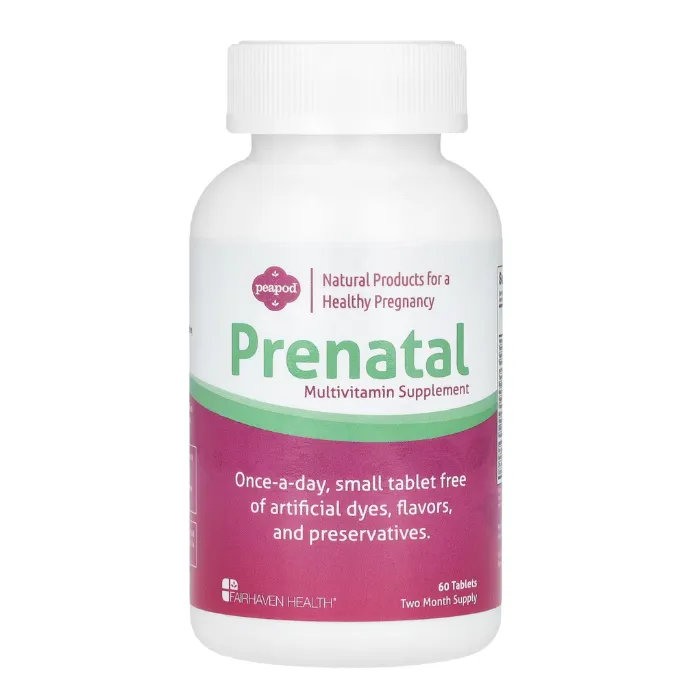
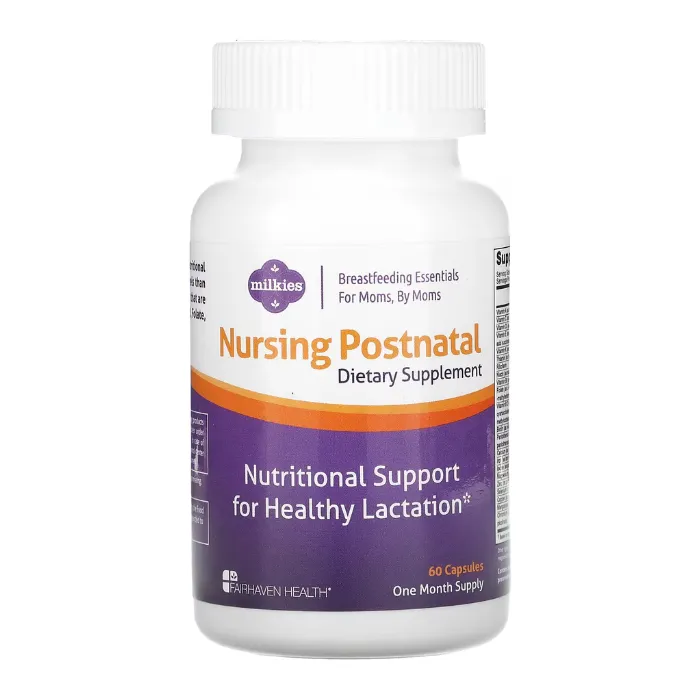
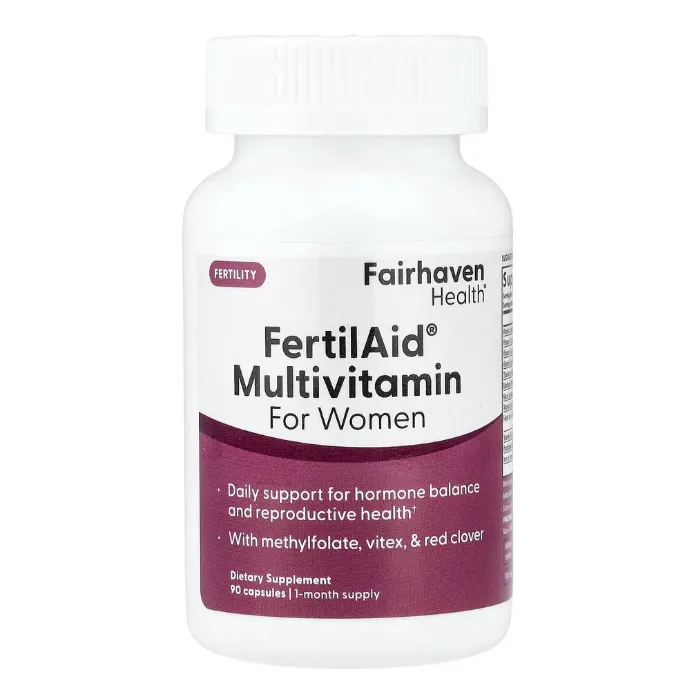
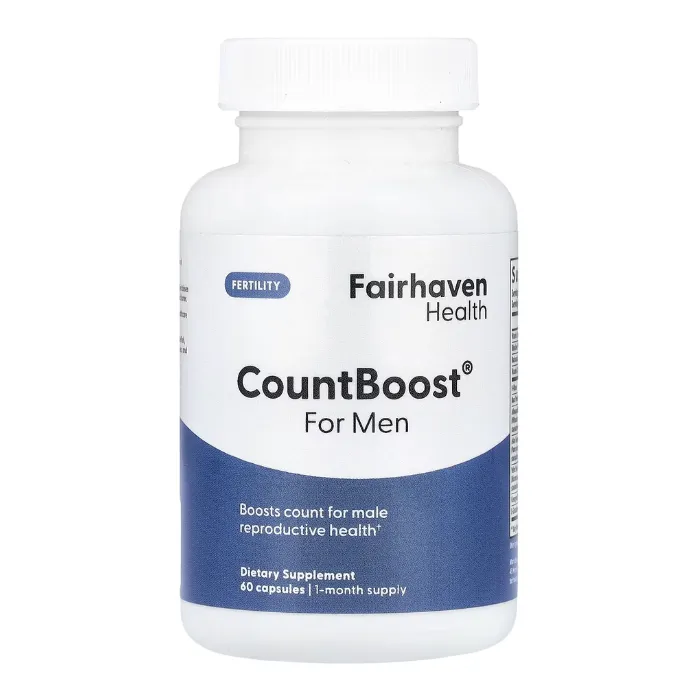
Fairhaven Health, Prenatal, Calcium + Magnesium, 60 Capsules in PakistanInformation, Results, Side Effects, Reviews
Calcium and Magnesium During Pregnancy: Essential Minerals for Mother and Baby
Pregnancy places extraordinary demands on a woman's body, and mineral nutrition becomes critically important. Calcium and magnesium are two minerals that deserve special attention during pregnancy, as they support not only your baby's development but also your own health and wellbeing during this transformative time.
During pregnancy, your body is building an entirely new human—bones, teeth, muscles, and nervous system all require substantial mineral resources. At the same time, your own body needs to maintain its mineral stores to function optimally. Without adequate calcium and magnesium, your body will draw these minerals from your own bones and tissues to support your baby's development, potentially affecting your long-term health.
The Critical Role of Calcium in Pregnancy
Calcium is essential for building your baby's skeleton and teeth. During the second and third trimesters, your baby's bones are developing rapidly and mineralizing—a process that requires significant calcium. Your baby will extract the calcium needed for development from your body, whether or not you're consuming adequate amounts.
If you don't consume enough calcium during pregnancy, your body will mobilize calcium from your bones to meet your baby's needs. This can weaken your bones and increase your risk of osteoporosis later in life. Additionally, adequate calcium during pregnancy supports your own muscle function, nerve transmission, and blood pressure regulation—all important for a healthy pregnancy.
Calcium also plays a role in preventing pregnancy complications. Research suggests that adequate calcium intake may help reduce the risk of preeclampsia, a serious pregnancy condition characterized by high blood pressure and protein in the urine.
Magnesium's Essential Functions During Pregnancy
Magnesium is involved in over 300 biochemical reactions in the body, making it essential for countless pregnancy-related processes. It supports muscle function and helps prevent muscle cramps, which are common during pregnancy. Magnesium is important for nerve function and supports your baby's nervous system development.
This mineral plays a crucial role in blood sugar regulation and energy production—both important as your body's metabolic demands increase during pregnancy. Magnesium also supports bone development in your baby and helps regulate your own blood pressure. Some research suggests that adequate magnesium may help reduce the risk of preterm labor and support healthy birth weight.
Many pregnant women experience muscle cramps, particularly in the legs during the second and third trimesters. Adequate magnesium intake can help reduce the frequency and severity of these uncomfortable cramps, improving sleep quality and overall comfort during pregnancy.
Meeting Your Mineral Needs During Pregnancy
Pregnancy increases your calcium needs to 1,000-1,300 mg daily, depending on your age. Magnesium needs increase to 350-360 mg daily during pregnancy. While these minerals can be obtained through diet—calcium from dairy products, leafy greens, and fortified foods; magnesium from nuts, seeds, whole grains, and leafy vegetables—many pregnant women find it challenging to meet these increased needs through food alone.
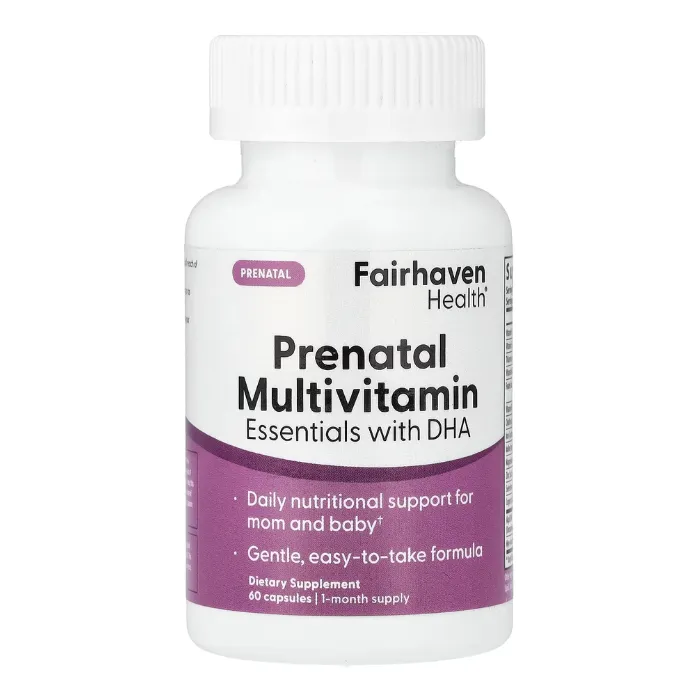
A prenatal supplement containing calcium and magnesium helps ensure you're meeting these critical mineral needs. The combination of these two minerals is particularly important, as they work together to support bone health and numerous other pregnancy functions. Taking them together in appropriate ratios optimizes their absorption and effectiveness.
Choosing the Right Prenatal Mineral Supplement
Not all calcium and magnesium supplements are created equal. The form of these minerals affects how well your body absorbs and utilizes them. Calcium citrate, for example, is well-absorbed and doesn't require stomach acid for absorption, making it a good choice during pregnancy when digestive changes are common. Magnesium glycinate is highly absorbable and less likely to cause digestive upset than some other forms.
The ratio of calcium to magnesium matters as well. An ideal ratio supports the absorption and utilization of both minerals. A prenatal supplement specifically formulated with calcium and magnesium takes these factors into account, providing minerals in forms and ratios optimized for pregnancy.
Supporting Mineral Absorption
Taking your calcium and magnesium supplement with food enhances absorption. Vitamin D is essential for calcium absorption, so ensure your prenatal vitamin includes adequate vitamin D. Avoid taking calcium supplements with iron supplements, as they can interfere with each other's absorption—space them out by at least two hours if you're taking both.
Some pregnant women experience constipation, which can be worsened by calcium supplements. Staying well-hydrated, eating fiber-rich foods, and getting regular gentle exercise can help manage this common pregnancy symptom. If constipation becomes problematic, discuss it with your healthcare provider.
Investing in Your Health and Your Baby's Development
Adequate calcium and magnesium during pregnancy is an investment in your baby's skeletal development and your own long-term bone health. These minerals support countless functions essential for a healthy pregnancy and a healthy baby. By ensuring adequate intake through proper supplementation and nutrition, you're taking an important step toward optimal pregnancy health and protecting your wellbeing for years to come.
Submit Your Review ForFairhaven Health, Prenatal, Calcium + Magnesium, 60 Capsules in Pakistan
Your email address will not be published. Required fields are marked *
Top Category

Food Supplements
3Products
Fairhaven Health
26Products
Swanson Supply
92Products
NOW Food Supply
1Products
Doctor's Best Supply
93Products
21st Century Supply
10Products
Jarrow Formulas Supply
32Products
SARMs Supply
30Products
Nutricost Supply
76Products
Double Wood Supply
75Products
Australian-owned Peptide
23ProductsMost Buying Products