Fairhaven Health, CountBoost® for Men, 60 Capsules in PakistanInformation, Results, Side Effects, Reviews
Sperm Count and Male Fertility: What You Need to Know
Sperm count is one of the primary measures of male fertility. A healthy sperm count means there are sufficient sperm present to increase the likelihood of fertilization. When sperm count is low, conception becomes more challenging, though not impossible. Understanding sperm count and how to support it is an important part of male fertility health.
Sperm count is measured as the number of sperm per milliliter of semen. Healthcare providers use specific benchmarks to determine whether a count falls within normal range. Low sperm count, medically known as oligospermia, can result from various factors including age, lifestyle habits, environmental exposures, hormonal imbalances, and nutritional deficiencies. The good news is that many of these factors are modifiable.
Factors That Influence Sperm Production
Sperm production is an ongoing process that takes approximately 74 days from start to finish. This means that improvements in health and nutrition take time to reflect in sperm count—typically several months of consistent effort are needed to see meaningful changes.
Heat exposure is one of the most significant factors affecting sperm production. The testicles maintain a temperature slightly lower than body temperature for optimal sperm development. Prolonged heat exposure from tight clothing, hot baths, or occupational hazards can reduce sperm count. Smoking, excessive alcohol consumption, and recreational drug use all negatively impact sperm production. Stress, poor sleep, and obesity can also contribute to lower counts.
Nutritional deficiencies are a commonly overlooked cause of reduced sperm count. Specific vitamins, minerals, and amino acids are essential for sperm production and health. Without adequate intake of these nutrients, the body cannot produce sperm efficiently or in sufficient quantities.
Key Nutrients for Sperm Production
Zinc is perhaps the most critical nutrient for sperm production. It's involved in testosterone production, sperm formation, and sperm motility. Selenium supports sperm function and protects against oxidative damage. Vitamin C is a powerful antioxidant that protects sperm from free radical damage. Vitamin E works synergistically with vitamin C to provide antioxidant protection.
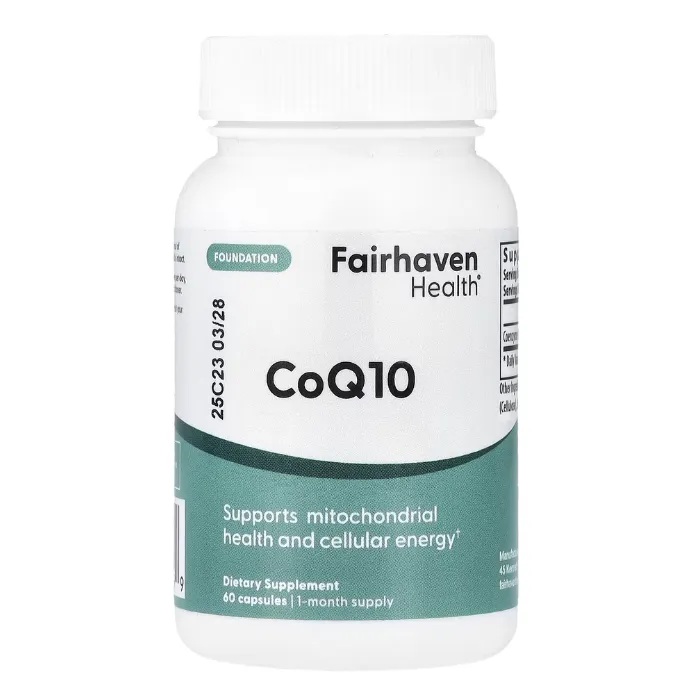
L-carnitine is an amino acid important for sperm energy production and function. Coenzyme Q10 supports cellular energy production and has been studied for its role in improving sperm count and motility. Folate and vitamin B12 are important for DNA synthesis and sperm production. Arginine, another amino acid, supports blood flow and sperm production.
Supporting Sperm Count Through Supplementation
A targeted supplement designed to support sperm count combines these nutrients in forms and dosages specifically chosen to promote sperm production. Rather than taking multiple individual supplements, a comprehensive formula provides balanced nutrition that addresses the nutritional requirements of healthy sperm production.
Consistency is crucial when taking a sperm count supplement. Daily use over several months allows your body to build nutrient stores and support improved sperm production. Most men begin to see improvements in sperm count after three to six months of consistent supplementation, though individual results vary.
Creating Optimal Conditions for Sperm Production
Supplementation works best as part of a comprehensive approach to male fertility. Maintain a healthy weight through balanced nutrition and regular exercise. Avoid tight underwear and excessive heat exposure to the testicles. Manage stress through exercise, meditation, or other relaxation techniques. Get seven to nine hours of quality sleep nightly, as sleep is essential for hormone production and sperm development.
Eliminate smoking and limit alcohol consumption, both of which can significantly reduce sperm count. Eat a diet rich in fruits, vegetables, whole grains, lean proteins, and healthy fats. Stay hydrated by drinking adequate water throughout the day. These lifestyle factors work synergistically with supplementation to support optimal sperm production.
Monitoring Progress and Seeking Support
If you're concerned about sperm count, a semen analysis performed by a healthcare provider can give you concrete information about your fertility status. This test measures not only count but also motility and morphology—all important factors in male fertility. Your healthcare provider can recommend appropriate interventions based on your individual results.
Taking action to improve sperm count is empowering. Whether through targeted supplementation, lifestyle modifications, or medical consultation, you're actively investing in your fertility health and your chances of conception. Combined with your partner's efforts and medical support when needed, these steps create the best possible foundation for starting a family.
Submit Your Review ForFairhaven Health, CountBoost® for Men, 60 Capsules in Pakistan
Your email address will not be published. Required fields are marked *
Top Category

Food Supplements
3Products
Fairhaven Health
26Products
Swanson Supply
92Products
NOW Food Supply
1Products
Doctor's Best Supply
93Products
21st Century Supply
10Products
Jarrow Formulas Supply
32Products
SARMs Supply
30Products
Nutricost Supply
76Products
Double Wood Supply
75Products
Australian-owned Peptide
23ProductsMost Buying Products