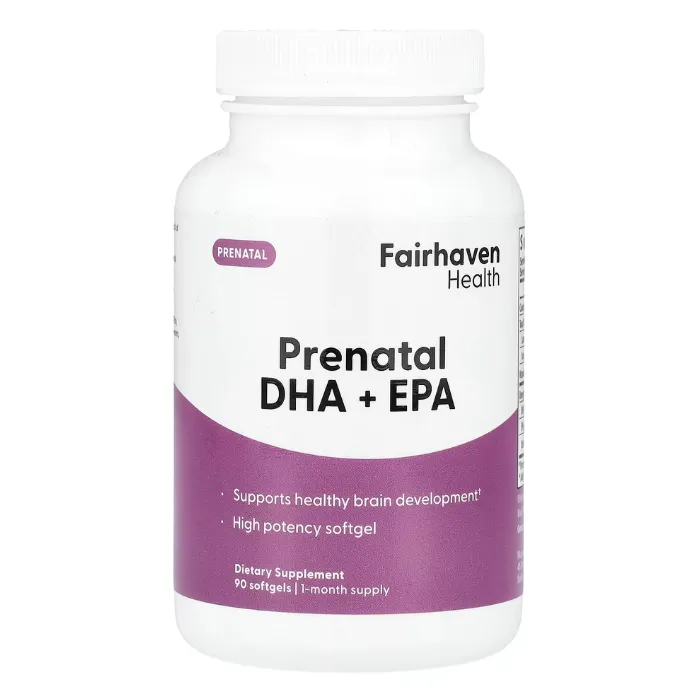
Fairhaven Health, Co-Q10, 100 mg, 60 Capsules in PakistanInformation, Results, Side Effects, Reviews
Coenzyme Q10 and Fertility: Powering Your Reproductive Health
Coenzyme Q10, commonly known as CoQ10, is a compound naturally produced by your body that plays a crucial role in cellular energy production. For couples trying to conceive, CoQ10 supplementation has emerged as a valuable tool for supporting both male and female fertility. Understanding how this nutrient works and why it matters for reproduction can help you optimize your fertility health.
CoQ10 is found in every cell of your body, with the highest concentrations in organs that demand significant energy—the heart, brain, and reproductive organs. This nutrient is essential for the mitochondria, the cellular powerhouses that generate ATP, the energy currency of cells. Without adequate CoQ10, cells cannot produce the energy they need to function optimally.
CoQ10 and Egg Quality
Egg cells are among the most energy-demanding cells in the human body. They require enormous amounts of ATP to develop properly, divide correctly during meiosis, and support early embryonic development. As women age, CoQ10 levels in eggs naturally decline, contributing to reduced egg quality and increased risk of chromosomal abnormalities. This age-related decline in CoQ10 is one reason why female fertility decreases with advancing age.
Supplementing with CoQ10 can help counteract this age-related decline. Research shows that women taking CoQ10 supplements experience improvements in egg quality, increased fertilization rates, and improved pregnancy outcomes. For women over 35, women with diminished ovarian reserve, or women who have experienced previous fertility challenges, CoQ10 supplementation offers meaningful support for improving egg quality.
CoQ10 and Sperm Health
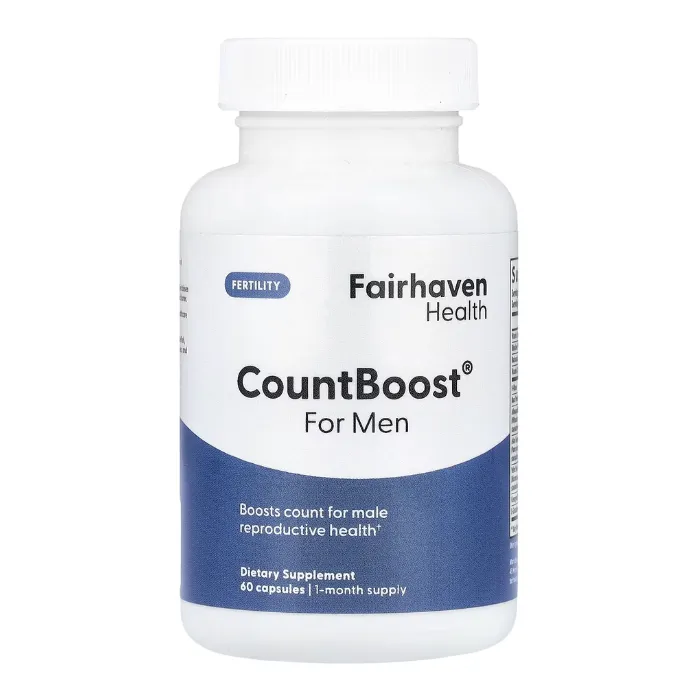
Male fertility also depends on cellular energy production. Sperm require significant ATP to produce the energy needed for movement and to maintain cellular integrity. CoQ10 supports sperm motility and function by ensuring adequate energy production within sperm cells. Men taking CoQ10 supplements often experience improvements in sperm count, motility, and morphology.
CoQ10 also acts as a powerful antioxidant, protecting sperm from oxidative damage that can reduce viability and function. For men concerned about sperm quality or those with low sperm count or poor motility, CoQ10 supplementation offers a way to directly support the cellular energy systems that sperm depend on.
How CoQ10 Supports Mitochondrial Function
CoQ10 is essential for the electron transport chain, the process by which mitochondria generate ATP. Without adequate CoQ10, this energy production process becomes inefficient, and cells cannot generate the energy they need. By supplementing with CoQ10, you're ensuring that your reproductive cells have the resources they need to function optimally.
Additionally, CoQ10 is a potent antioxidant that protects mitochondria from oxidative damage. Oxidative stress—caused by free radicals—can damage mitochondrial DNA and impair energy production. CoQ10 neutralizes free radicals and protects mitochondrial structures, helping preserve mitochondrial function and cellular energy production.
CoQ10 Dosage and Forms
CoQ10 comes in two primary forms: ubiquinone and ubiquinol. Ubiquinol is the reduced, active form that your body uses directly for energy production. Ubiquinone is the oxidized form that your body converts to ubiquinol. For fertility support, ubiquinol is generally considered more bioavailable and effective, though both forms can be beneficial.
Typical fertility-supporting doses of CoQ10 range from 100-300 mg daily, often divided into multiple doses for better absorption. Higher doses may be recommended for women over 40 or those with specific fertility concerns. CoQ10 is fat-soluble, meaning it's absorbed better when taken with food containing fat. Taking your CoQ10 supplement with a meal ensures optimal absorption.
Timeline for Results
CoQ10 works gradually to improve cellular energy production and egg or sperm quality. Results typically take time to manifest, as eggs develop over several months and sperm production takes approximately 74 days. Most people should expect to take CoQ10 for at least three to six months before experiencing significant improvements in fertility markers.
Consistency is key when using CoQ10 for fertility. Daily supplementation allows CoQ10 to accumulate in your cells and support sustained improvements in energy production and reproductive function. Think of CoQ10 supplementation as a long-term investment in your fertility health rather than a quick fix.
Combining CoQ10 with Other Fertility Support
CoQ10 works synergistically with other fertility-supporting nutrients and practices. Combine it with a comprehensive prenatal or fertility multivitamin that provides other essential nutrients. Maintain a diet rich in antioxidants from colorful fruits and vegetables, which support CoQ10's antioxidant effects. Regular exercise improves mitochondrial function and supports overall reproductive health.
If you're taking other supplements, CoQ10 generally works well alongside them. However, if you're taking blood-thinning medications, discuss CoQ10 supplementation with your healthcare provider, as CoQ10 may have mild blood-thinning effects. Your provider can help ensure that all your supplements and medications work safely together.
Supporting Cellular Energy for Conception
Fertility depends on cellular energy. By supporting mitochondrial function and ATP production through CoQ10 supplementation, you're addressing a fundamental requirement for healthy egg and sperm development. Combined with other fertility-supporting practices—proper nutrition, exercise, stress management, and adequate sleep—CoQ10 helps create the cellular conditions necessary for optimal reproductive function and conception.
Submit Your Review ForFairhaven Health, Co-Q10, 100 mg, 60 Capsules in Pakistan
Your email address will not be published. Required fields are marked *
Top Category

Food Supplements
3Products
Fairhaven Health
26Products
Swanson Supply
92Products
NOW Food Supply
1Products
Doctor's Best Supply
93Products
21st Century Supply
10Products
Jarrow Formulas Supply
32Products
SARMs Supply
30Products
Nutricost Supply
76Products
Double Wood Supply
75Products
Australian-owned Peptide
23ProductsMost Buying Products